Αρχειοθήκη ιστολογίου

Αναζήτηση αυτού του ιστολογίου

Πέμπτη 12 Ιανουαρίου 2023

Long-term Outcomes of Turbinate Surgery in Patients With Allergic Rhinitis

alexandrossfakianakis shared this article with you from Inoreader

ooi220073f1_1672856049.48927.png?Expires

This systematic review and meta-analysis investigates the long-term outcomes and safety of turbinate surgery in patients with medically refractory allergic rhinitis.
View on Web

Somatic genomic imbalances in ‘tumour-free’ surgical margins of oral cancer

alexandrossfakianakis shared this article with you from Inoreader
Up to 30% of oral squamous cell carcinoma (OSCC) patients develop local recurrence and distant metastasis. The molecular status of histologically cancer-free tumour margins could be a critical factor in predicting tumour behaviour. The aim of this study was to detect somatic genomic imbalances in OSCC with emphasis on the surgical margins. DNA was isolated from tumour tissues, margin tissues, and blood samples (used as control) obtained from 11 OSCC patients, and genome-wide array comparative genomic hybridization was performed. (Source: International Journal of Oral and Maxillofacial Surgery)
View on Web

Τετάρτη 11 Ιανουαρίου 2023

Inhibiting Cardiac Autophagy Suppresses Zika Virus Replication

alexandrossfakianakis shared this article with you from Inoreader

Abstract

Zika Virus (ZIKV) infection is a global threat. Other than the congenital neurological disorders it causes, ZIKV infection has been reported to induce cardiac complications. However, the precise treatment plans are unclear. Thus, illustrating the pathogenic mechanism of ZIKV in the heart is critical to providing effective prevention and treatment of ZIKV infection. The mechanism of autophagy has been reported recently in Dengue virus infection. Whether or not autophagy participates in ZIKV infection and its role remains unrevealed. This study successfully established the in vitro cardiomyocytes and in vivo mouse models of ZIKV infection to investigate the involvement of autophagy in ZIKV infection. The results showed that ZIKV infection is both time and gradient-dependent. The key autophagy protein, LC3B, increased remarkably after ZIKV infection. Meanwhile, autophagic flux was detected by immunofluorescence. Applying autophagy inhibitors decreased the LC3B levels. F urthermore, the number of viral copies was quantified to evaluate the influence of autophagy during infection. We found that autophagy was actively involved in the ZIKV infection and the inhibition of autophagy could effectively reduce the viral copies, suggesting a potential intervention strategy for reducing ZIKV infection and the undesired complications caused by ZIKV.

This article is protected by copyright. All rights reserved.

View on Web

Needle‐free injection system delivery of ZyCoV‐D DNA vaccine demonstrated improved immunogenicity and protective efficacy in Rhesus macaques against SARS‐CoV‐2

alexandrossfakianakis shared this article with you from Inoreader

Abstract

The apprehension of needles related to injection site pain, risk of transmitting the blood borne pathogens and effective mass immunization have led to the development of needle free injection system (NFIS). Here, we evaluated the efficacy of the NFIS and needle injection system (NIS) for the delivery and immunogenicity of DNA vaccine candidate ZyCOV-D in Rhesus macaques against SARS-CoV-2 infection. Briefly, twenty rhesus macaques were divided into five groups (4 animals each) i.e., I (1 mg dose by NIS), II (2mg dose by NIS), III [1mg dose by NFIS], IV (2mg dose by NFIS) and V (phosphate-buffer saline). The macaques were immunized with the vaccine candidates/PBS intradermally on day 0, 28 and 56. Subsequently, the animals were challenged with live SARS-CoV-2 after 15 weeks of the first immunization. Blood, nasal swab, throat swab, and bronchoalveolar lavage fluid specimens were collected on 0, 1, 3, 5 and 7 days post infection from each animal to determine immune response and vira l clearance. Amongst all the five groups, 2mg dose by NFIS elicited significant titers of IgG and neutralizing antibody after immunization with enhancement in their titers post virus challenge. Besides this, it also induced increased lymphocyte proliferation and cytokine response. The minimal viral load post-SARS-CoV-2 challenge and significant immune response in the immunized animals demonstrated efficiency of NFIS in delivering 2mg ZyCOV-D vaccine candidate.

This article is protected by copyright. All rights reserved.

View on Web

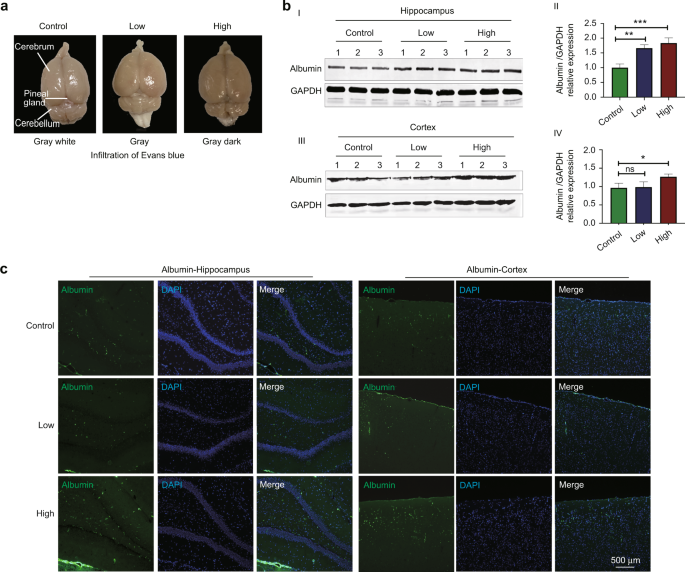
Porphyromonas gingivalis bacteremia increases the permeability of the blood-brain barrier via the Mfsd2a/Caveolin-1 mediated transcytosis pathway

alexandrossfakianakis shared this article with you from Inoreader

41368_2022_215_Fig1_HTML.png

International Journal of Oral Science, Published online: 12 January 2023; doi:10.1038/s41368-022-00215-y

Porphyromonas gingivalis bacteremia increases the permeability of the blood-brain barrier via the Mfsd2a/Caveolin-1 mediated transcytosis pathway
View on Web

Τρίτη 10 Ιανουαρίου 2023

A tooth‐supported titanium mesh bending and positioning module for alveolar bone augmentation and improving accuracy

alexandrossfakianakis shared this article with you from Inoreader

Abstract

Objective

Guided bone regeneration with titanium mesh is a commonly used bone augmentation technique. However, deformation and sliding may occur during the installation of titanium mesh, which may lead to poor accuracy of bone augmentation. This article presented three cases, which describe a tooth-supported titanium mesh bending and positioning module aiming to improve the precision of bone augmentation.

Clinical Considerations

After designing the ideal bone increment volume digitally, print out the difference bone module between the ideal and existing bone mass and one or two wings. The wings are supported by the adjacent teeth to show the ideal bone mass in the patients' mouth. Finally, the titanium mesh is bent and installed in the ideal position by the module.

Conclusions

A favorable outcome has been preliminarily confirmed in these cases, the average vertical bone gain was 4.16 mm and the average horizontal gain was 7.48 mm after 6 months. Using the module in the treatment of patients with bone augmentation can effectively improve the accuracy, the maximum deviation was 1.5 mm and the mean was 0.6 mm.

Clinical Significance

This study improves the bone augmentation technology with titanium mesh. The titanium mesh is fixed in the ideal position, which facilitates subsequent implantation and denture repair.

View on Web

Automated Detection of GlotticLaryngeal Carcinomain Laryngoscopic Images from a Multicenter Databaseusing a Convolutional Neural Network

alexandrossfakianakis shared this article with you from Inoreader

ABSTRACT

OBJECTIVE

Little is known about the efficacy of using artificial intelligence to identify laryngeal carcinoma from images of vocal lesions taken in different hospitals with multiple laryngoscope systems. This multicenter study aimed to establish an artificial intelligence system and provide a reliable auxiliary tool to screen for laryngeal carcinoma.

Study Design

Multicenter case-control study

Setting

Six tertiary care centers

Participants

Laryngoscopy images were collected from 2179 patients with vocal fold lesions.

Outcome Measures

An automatic detection system of laryngeal carcinoma was established and used to distinguish malignant and benign vocal lesions in 2179 laryngoscopy images acquired from 6 hospitals with 5 types of laryngoscopy systems. Pathological examination was the gold standard for identifying malignant and benign vocal lesions.

Results

Out of 89 cases in the malignant group, the classifier was able to correctly identify laryngeal carcinoma in 66 patients (74.16%, sensitivity). Out of 640 cases in the benign group, the classifier was able to accurately assess the laryngeal lesion in 503 cases (78.59%, specificity). Furthermore, the region-based convolutional neural network(R-CNN) classifier achieved an overall accuracy of 78.05%, with a 95.63% negative predictive and a 32.51% positive predictive value for the testing dataset.

Conclusion

This automatic diagnostic system has the potential to assist clinical laryngeal carcinoma diagnosis which may improve and standardize the diagnostic capacity of laryngologists using different laryngoscopes.

This article is protected by copyright. All rights reserved.

View on Web