Αρχειοθήκη ιστολογίου

Αναζήτηση αυτού του ιστολογίου

Τετάρτη 12 Οκτωβρίου 2022

Improved Survival after Liver Transplantation for Patients with HIV and HIV/HCV Coinfection in the INSTI and DAA eras

alexandrossfakianakis shared this article with you from Inoreader
Abstract
Background
Patients with human immunodeficiency virus (HIV) with and without hepatitis C virus (HCV) coinfection had poor outcomes after liver transplant (LT). Integrase strand transfer inhibitors (INSTI) and direct-acting antivirals (DAA) changed the treatment landscape for HIV and HCV, respectively; their impact on LT outcomes remains unclear.
Methods
This retrospective analysis of adults with HIV monoinfection (n = 246) and HIV/HCV coinfection (n = 286) who received LT compared mortality in patients with HIV who received LT before vs. after approval of INSTI and in patients with HIV/HCV coinfection who received LT before vs after approval of DAA. In secondary analysis, we compared the outcomes in the different eras with those of propensity score (PS) matched control cohorts of LT recipients without HIV or HCV infection.
Results
HIV monoinfected LT recipients did not experience a significant improvement in su rvival between the pre-INSTI and INSTI recipients with HIV (aHR 0.70 [0.36-1.34). However, recipients with HIV/HCV coinfection in the DAA era had a 47% reduction (aHR 0.53 [0.31-9.2] in one-year mortality than co-infected recipients in the pre-DAA era. Compared to non-HIV or HCV recipients, HIV monoinfected recipients had higher mortality during the pre-INSTI era (aHR, ), but survival was comparable between groups during the INSTI era (aHR, ). HIV/HCV coinfected recipients also experienced comparable survival during the DAA era compared to non-HIV or HCV recipients (aHR, ).
Conclusions
Post-LT survival for patients with HIV monoinfection and HIV/HCV coinfection has improved with the introduction of INSTI and DAA therapy, suggesting that LT has become safer in these populations.
View on Web

Using indocyanine green angiography to achieve complete engraftment of pectoralis major myocutaneous flaps

alexandrossfakianakis shared this article with you from Inoreader
This report describes the usefulness of indocyanine green angiography (ICGA) to achieve complete engraftment of the PMMC flap. Five patients with oral cancer underwent reconstruction with a PMMC flap after cancer ablation. During the skin paddle design and flap elevation, the blood supply to the flap was assessed by ICGA. (Source: International Journal of Oral and Maxillofacial Surgery)
View on Web

Τρίτη 11 Οκτωβρίου 2022

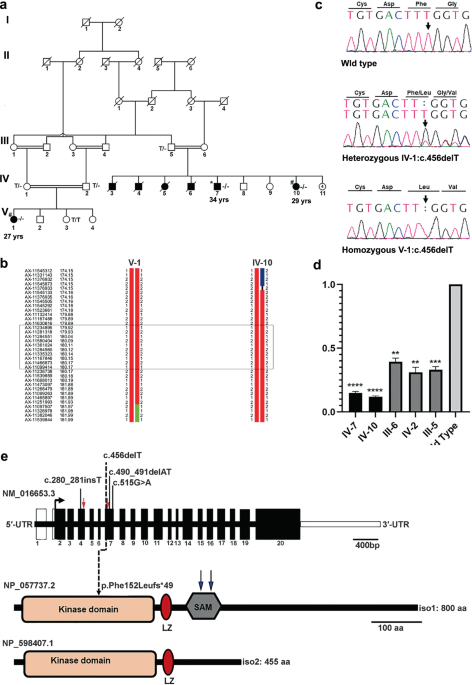
A novel MAP3K20 mutation causing centronuclear myopathy-6 with fiber-type disproportion in a Pakistani family

alexandrossfakianakis shared this article with you from Inoreader

10038_2022_1085_Fig1_HTML.png

Journal of Human Genetics, Published online: 11 October 2022; doi:10.1038/s10038-022-01085-2

A novel MAP3K20 mutation causing centronuclear myopathy-6 with fiber-type disproportion in a Pakistani family
View on Web

Bone vitality and vascularization of mandibular and maxillary bone grafts in maxillary sinus floor elevation: A retrospective cohort study

alexandrossfakianakis shared this article with you from Inoreader

Abstract

Objectives

Mandibular retromolar (predominantly cortical) and maxillary tuberosity (predominantly cancellous) bone grafts are used in patients undergoing maxillary sinus floor elevation (MSFE) for dental implant placement. The aim of this retrospective cohort study was to investigate whether differences exist in bone formation and vascularization after grafting with either bone source in patients undergoing MSFE.

Methods

Fifteen patients undergoing MSFE were treated with retromolar (n = 9) or tuberosity (n = 6) bone grafts. Biopsies were taken 4 months postoperatively prior to dental implant placement, and histomorphometrically analyzed to quantify bone and osteoid area, number of total, apoptotic, and receptor activator of nuclear factor-κB ligand (RANKL)-positive osteocytes, small and large-sized blood vessels, and osteoclasts. The grafted area was divided in three regions (caudal-cranial): RI, RII, and RIII.

Results

Bone volume was 40% (RII, RIII) higher and osteoid volume 10% (RII) lower in retromolar compared to tuberosity-grafted areas. Total osteocyte number and number of RANKL-positive osteocytes were 23% (RII) and 90% (RI, RII) lower, but osteoclast number was higher (retromolar: 12, tuberosity: 0) in retromolar-grafted areas. The total number of blood vessels was 80% (RI) to 60% (RIII) lower, while the percentage of large-sized blood vessels was 86% (RI) to 25% (RIII) higher in retromolar-grafted areas. Number of osteocyte lacunae and apoptotic osteocytes were similar in both bone grafts used.

Conclusions

Compared to the retromolar bone, tuberosity bone showed increased bone vitality and vascularization in patients undergoing MSFE, likely due to faster bone remodeling or earlier start of new bone formation. Therefore, tuberosity bone grafts might perform better in enhancing bone regeneration.

View on Web

Prevention of Incisional Hernias by Prophylactic Mesh-augmented Reinforcement of Midline Laparotomies for Abdominal Aortic Aneurysm Treatment: Five-year Follow-up of a Randomized Controlled Trial

alexandrossfakianakis shared this article with you from Inoreader
imageIntroduction: The incidence of incisional hernias (IHs) after open repair of an abdominal aortic aneurysm (AAA) is high. Several randomized controlled trials have reported favorable results with the use of prophylactic mesh to prevent IHs, without increasing complications. In this analysis, we report on the results of the 60-month follow-up of the PRIMAAT trial. Methods: In a prospective, multicenter, open-label, randomized design, patients were randomized between prophylactic retrorectus mesh reinforcement (mesh group), and primary closure of their midline laparotomy after open AAA repair (no-mesh group). This article reports on the results of clinical follow-up after 60 months. If performed, ultrasonography or computed tomography were used for the diagnosis of IHs. Results: Of the 120 randomized patients, 114 were included in the intention-to-treat analysis. Thirty-three patients in the no-mesh group (33/58—56.9%) and 34 patients in the mesh group (34/56—60.7%) were evaluated after 5 years. In each treatment arm, 10 patients died between the 24-month and 60-month follow-up. The cumulative incidence of IHs in the no-mesh group was 32.9% after 24 months and 49.2% after 60 months. No IHs were diagnosed in the mesh group. In the no-mesh group, 21.7% (5/23) underwent reoperation within 5 years due to an IH. Conclusions: Prophylactic retrorectus mesh reinforcement after midline laparotomy for the treatment of AAAs safely and effectively decreases the rate of IHs. The cumulative incidence of IHs after open AAA repair, when no mesh is used, continues to increase during the first 5 years after surgery, which leads to a substantial rate of hernia repairs.
View on Web

Prognosis of Deantigenated Equine Bone Used for Bone Augmentation: A Multicenter Retrospective Study on Early and Late Postsurgical Complications in 81 Consecutive Patients

alexandrossfakianakis shared this article with you from Inoreader

Abstract

Purpose

To evaluate the clinical outcome of deantigenated equine bone (DEB) grafts in a series of patients treated with DEB at six months postaugmentation.

Materials and Methods

One hundred DEB grafts were inserted in 81 patients between January 2004 and December 2006. Thirty-two DEBs were blocks and 68 were granules (52 sinus lift and 16 guided bone regeneration [GBR] procedures performed). A total of 147 implants were inserted. A Pearson chi-square test was used to detect any statistically significant correlation between the studied variables and early and/or late failures.

Results

There were 6 early and 26 late graft failures and another 16 failures after prosthesis placement. The overall failure rate was 25% in the GBR procedures, 31.9% in sinus lift, and 54.3% with blocks, for a total complication rate of 39.5%. A statistically significant relation was detected with respect to graft type and early complications (p = .005), with a worse outcome for DEB blocks compared to granules. After provisional prosthesis restoration, 23 implants were lost, and another 41 failed after definitive prosthesis delivery, for an overall failure rate of 43.5%. The follow-up period was 3 years after surgery.

Conclusions

DEB grafting material had a very high rate of complications. Blocks had more than 50% failures, mainly in the immediate postoperative period. Other procedures such as GBR and sinus lift also showed more than 25% infections and resorption, and late failures (i.e., after-implant placement) were also common. Our results show that DEB is less than ideal for crestal bone reconstruction.

View on Web