Αρχειοθήκη ιστολογίου

Αναζήτηση αυτού του ιστολογίου

Κυριακή 5 Ιουνίου 2022

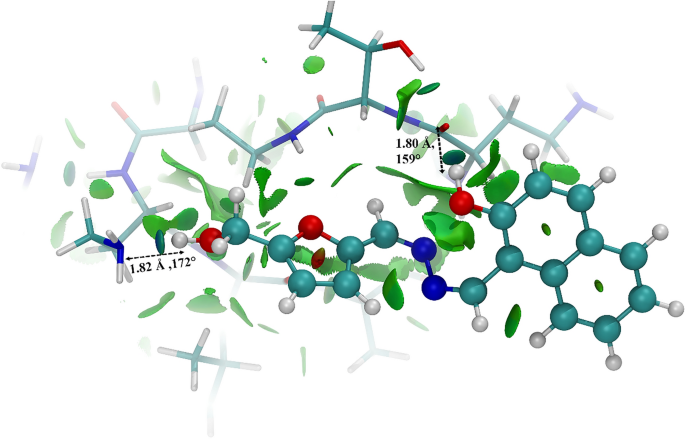
Reliable fluorescence technique to detect the antibiotic colistin, a possible environmental threat due to its overuse

alexandrossfakianakis shared this article with you from Inoreader

41598_2022_13471_Fig1_HTML.png

View on Web

The clinical and bioinformatics analysis for the role of anti‐hypertension drugs on mortality among patients with hypertension hospitalized with COVID‐19

alexandrossfakianakis shared this article with you from Inoreader

Abstract

Comorbidities such as hypertension could exacerbate symptoms of COVID-19 infection. Patients with hypertension may receive both anti-COVID-19 and anti-hypertension therapies when infected with COVID-19. However, it is not clear how different classes of anti-hypertension drugs impact the outcome of COVID-19 treatment. Herein, we explore the association between the inpatient use of different classes of anti-hypertension drugs and mortality among patients with hypertension hospitalized with COVID-19. We totally collected data from 278 patients with hypertension diagnosed with COVID-19 admitted to hospitals in Wuhan from February 01 to April 01, 2020. A retrospective study was conducted and single cell RNA-Seq analysis of treatment-related genes was performed. The results showed that angiotensin II receptor blockers (ARB) and calcium channel blockers (CCB) drugs significantly increased the survival rate but the use of ACEI/beta-block/diuretic drugs did not affec t the mortality caused by COVID-19. Based on the analysis of four public datasets of single-cell RNA-seq on COVID-19 patients, we concluded that JUN, LST1 genes may play a role in the effect of ARB on COVID-19 related mortality while CALM1 gene may contribute to the effect of CCB on COVID-19 related mortality. Our results provide guidance on the selection of anti-hypertension drugs for hypertensive patients infected with COVID-19.

This article is protected by copyright. All rights reserved.

View on Web

Τετάρτη 1 Ιουνίου 2022

A novel extracorporeal cardiopulmonary resuscitation strategy using a hybrid emergency room for patients with pulseless electrical activity

alexandrossfakianakis shared this article with you from Inoreader

13049.jpg

Whether extracorporeal cardiopulmonary resuscitation (ECPR) is indicated for patients with pulseless electrical activity (PEA) remains unclear. Pulmonary embolism with PEA is a good candidate for ECPR; however...
View on Web

Effect and Mechanism of the Lenvatinib@H-MnO2-FA Drug Delivery System in Targeting Intrahepatic Cholangiocarcinoma

alexandrossfakianakis shared this article with you from Inoreader
View on Web

Mechanistic and biologically based models in epidemiology; a powerful underutilized tool

alexandrossfakianakis shared this article with you from Inoreader
Abstract
Mechanistic and biologically based mathematical models of chronic and behavioral disease processes aim to capture the main mechanistic or biological features of the disease development, and to connect these with epidemiological outcomes. These approaches have a long history in epidemiological research and are complementary to traditional epidemiological or statistical approaches to investigate the role of risk factor exposures on disease risk.In the article by Simonetto et al. (Am J Epidemiol. XXXX;XXX(XX):XXXX–XXXX)), the authors present a mechanistic, process-oriented, model to investigate the role of smoking, hypertension and dyslipidemia on the development of atherosclerotic lesions and their progression to myocardial infarction (MI). Their approach builds on and brings to cardiovascular disease the ideas and perspectives of earlier mechanistic and biologically based models for the epidemiology of cancer and other chronic diseases, providin g important insights into the mechanisms and epidemiology of smoking related MI.We argue that although mechanistic modeling approaches have demonstrated their value and place in epidemiology, they are highly underutilized. We call for efforts to grow mechanistic and biologically based modeling research, expertise and awareness in epidemiology, including the development of training and collaboration opportunities to attract more students and researchers from STEM areas into the epidemiology field.
View on Web

Τρίτη 31 Μαΐου 2022

Solitary Splenic Metastasis From Endometrial Carcinoma Revealed on FDG PET/CT

alexandrossfakianakis shared this article with you from Inoreader
imageSolitary splenic metastasis from endometrial carcinoma is rare. We report a case of imaging findings of solitary splenic metastasis in a 53-year-old woman who underwent resection surgery of endometrial carcinoma of uterus 1 year ago. On FDG PET/CT, it presented as a solitary soft tissue mass with an SUVmax of 18.44. The postoperative pathology supported metastasis from endometrial carcinoma.
View on Web

Adherence Of Candida Albicans to Five Long‐Term Silicone‐Based Denture Lining Materials Bonded to CAD‐CAM Denture Base

alexandrossfakianakis shared this article with you from Inoreader

Abstract

Purpose

: Knowledge about quantifying the number as well as the retention and adhesion of Candida albicans blastoconidia to silicone denture liners is limited. Thus, the aim of this in vitro study was to explore the adherence of Candida albicans to the surface of five long-term silicone-based soft denture lining materials, using artificial saliva.

Materials & Methods

A total of 50 specimens (10 × 10 × 3 mm) of five long-term resilient liners (Molloplast-B; GC Reline Soft; Elite Soft Relining; Tokuyama Sofreliner S; Ufigel SC), bonded to a computer-aided design and computer-aided manufacturing denture base, were prepared. The specimens were inoculated and incubated in artificial saliva for 1h and 24h with a standardized (2.8 × 10⁶ cfu/ml) Candida albicans suspension. At the end of the incubation period, the specimens were stained with acridine orange and observed, using fluorescence microscopy.

Results

: After 1h and in 24h, Molloplast B demonstrated significantly earlier adherence of Candida albicans cells compared to the other chairside materials (p<0.001 and p<0.001, respectively), where the mean number of cells also increased in the frontal parts. Regarding the rate of Candida albicans proliferation from 1h to 24 hours within the materials, there was an increase in all materials (Molloplast B: p<0.001; GC Reline Soft: p = 0.220; Elite Soft Relining: p = 0.032; Tokuyama Sofreliner S: p = 0.001; Ufigel Sc: p = 0.001). The Ufigel Sc showed a significant 2.5-fold increase at 24h.

Conclusions

: Long-term silicone denture liners accumulate a significant amount of Candida albicans blastoconidia and their coverage by them increases progressively over time.

This article is protected by copyright. All rights reserved

View on Web