Αρχειοθήκη ιστολογίου

Αναζήτηση αυτού του ιστολογίου

Δευτέρα 3 Ιουνίου 2019

Cough. Sore throat. Burning sensation behind the breastbone. Headache. Shortness of breath.

Formaldehyde

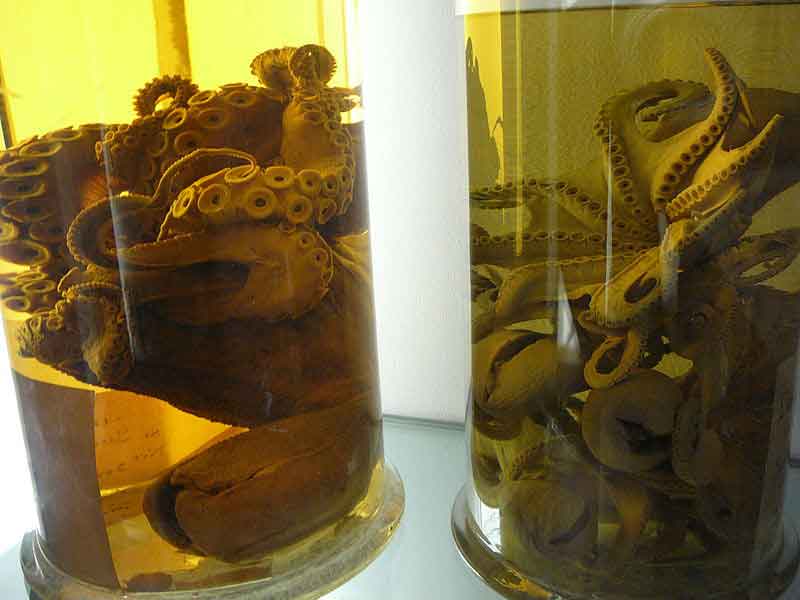
Octopodes preserved in formaldehyde

Formaldehyde is commonly used as a preservative.

What is formaldehyde?

Formaldehyde is a colorless, strong-smelling, flammable chemical that is produced industrially and used in building materials such as particleboard, plywood, and other pressed-wood products. In addition, it is commonly used as a fungicidegermicide, and disinfectant, and as a preservative in mortuaries and medical laboratories. Formaldehyde also occurs naturally in the environment. It is produced during the decay of plant material in the soil and during normal chemical processes in most living organisms. It is also a combustion product found in tobacco smoke.

How are people exposed to formaldehyde?

People are exposed primarily by inhaling formaldehyde gas or vapor from the air or by absorbing liquids containing formaldehyde through the skin. Workers who produce formaldehyde or products that contain formaldehyde—as well as laboratory technicians, certain health care professionals, and mortuary employees—may be exposed to higher levels of formaldehyde than people in the general population.

The general public may be exposed to formaldehyde by breathing contaminated air from sources such as pressed-wood products, tobacco smoke, and automobile tailpipe emissions. Another potential source of exposure to formaldehyde is the use of unvented fuel-burning appliances, such as gas stoves, wood-burning stoves, and kerosene heaters.

Which cancers are associated with exposure to formaldehyde?

Studies of workers exposed to high levels of formaldehyde, such as industrial workers and embalmers, have found that formaldehyde causes myeloid leukemia and rare cancers, including cancers of the paranasal sinuses, nasal cavity, and nasopharynx.

How can exposures be reduced?

The U.S. Environmental Protection Agency recommends the use of "exterior-grade" pressed-wood products to limit formaldehyde exposure in the home. Formaldehyde levels in homes and work settings can also be reduced by ensuring adequate ventilation, moderate temperatures, and reduced humidity levels through the use of air conditioners and dehumidifiers.

Selected References:

  • National Institute of Occupational Safety and Health. Formaldehyde, Workplace Safety and Health Topics. Atlanta, GA: Centers for Disease Control and Prevention. Available online. Last accessed February 14, 2019.
  • National Toxicology Program. Formaldehyde, Report on Carcinogens, Fourteenth Edition. Triangle Park, NC: National Institute of Environmental Health and Safety, 2016. Also available online. Last accessed February 14, 2019.
  • U.S. Environmental Protection Agency. Formaldehyde. Washington, DC: U.S. Environmental Protection Agency, 2013. Available online. Last accessed February 14, 2019.
  • Updated: February 14, 2019
  • 14.1.2Evidence for Carcinogenicity

    Carcinogen

    EPA: Probable human carcinogen, based on limited evidence in humans, and sufficient evidence in animals. IARC: Carcinogenic to humans . NTP: Reasonably anticipated to be a human carcinogen

    There is sufficient evidence in humans for the carcinogenicity of formaldehyde. Formaldehyde causes cancer of the nasopharynx and leukaemia. Also, a positive association has been observed between exposure to formaldehyde and sinonasal cancer. There is sufficient evidence in experimental animals for the carcinogenicity of formaldehyde. The Working Group was not in full agreement on the evaluation of formaldehyde causing leukaemias in humans, with a small majority viewing the evidence as sufficient of carcinogenicity and the minority viewing the evidence as limited. Particularly relevant to the discussions regarding sufficient evidence was a recent study accepted for publication which, for the first time, reported aneuploidy in blood of exposed workers characteristic of myeloid leukaemia and myelodysplastic syndromes, with supporting information suggesting a decrease in the major circulating blood-cell types and in circulating haematological precursor cells. The authors and Working Group felt that this study needed to be replicated. Formaldehyde is carcinogenic to humans (Group 1).

    Cancer Classification: Group B1 Probable Human Carcinogen

    CLASSIFICATION: B1; probable human carcinogen. BASIS FOR CLASSIFICATION: Based on limited evidence in humans, and sufficient evidence in animals. Human data include nine studies that show statistically significant associations between site-specific respiratory neoplasms and exposure to formaldehyde or formaldehyde-containing products. An increased incidence of nasal squamous cell carcinomas was observed in long-term inhalation studies in rats and in mice. The classification is supported by in vitro genotoxicity data and formaldehyde's structural relationships to other carcinogenic aldehydes such as acetaldehyde. HUMAN CARCINOGENICITY DATA: Limited. ANIMAL CARCINOGENICITY DATA: Sufficient.

    A2; Suspected human carcinogen.

    Formaldehyde: Known to be a human carcinogen.

    Carcinogen

    IARC-1, NIOSH-Ca, NTP-R, OSHA-Ca, TLV-A1, EPA-B1

    14.1.3Health Effects

    Health Effect Code(s)

    HE1, HE9, HE11, HE14

    14.1.4Exposure Routes

    The substance can be absorbed into the body by inhalation.

    The substance can be absorbed into the body by inhalation, through the skin and by ingestion.

    The substance can be absorbed into the body by inhalation and by ingestion.

    inhalation, skin and/or eye contact

    14.1.5Symptoms

    irritation eyes, nose, throat, respiratory system; lacrimation (discharge of tears); cough; wheezing; [potential occupational carcinogen]

    14.1.6Inhalation Symptoms

    Cough. Sore throat. Burning sensation behind the breastbone. Headache. Shortness of breath.

    Cough. Sore throat. Burning sensation. Laboured breathing.

    14.1.7Skin Symptoms

    Redness.

    Redness. Pain. Skin burns.

    Redness. Pain.

    14.1.8Eye Symptoms

    Watering of the eyes. Redness. Pain. Blurred vision.

    Watering of the eyes. Redness. Pain. Severe burns.

    Redness. Pain. Burns.

    14.1.9Ingestion Symptoms

    Burns in mouth and throat. Nausea. Abdominal pain. Shock or collapse.

    Burning sensation in the throat and chest.

    14.1.10Target Organs

    Dermal (Skin), Gastrointestinal (Digestive), Immunological (Immune System), Respiratory (From the Nose to the Lungs)

    Eyes, respiratory system

    14.1.11Cancer Sites

    [nasal cancer]

    14.1.12Acute Effects

    OrganismTest TypeRouteDoseEffectReference
    manTDLooral643 mg/kg (643 mg/kg)LUNGS, THORAX, OR RESPIRATION: RESPIRATORY OBSTRUCTION; GASTROINTESTINAL: ULCERATION OR BLEEDING FROM STOMACH; GASTROINTESTINAL: NAUSEA OR VOMITINGJapanese Journal of Toxicology., 4(261), 1991
    womenLDLooral108 mg/kg (108 mg/kg)Practical Toxicology of Plastics, Lefaux, R., Cleveland, OH, Chemical Rubber Co., 1968, -(328), 1968
    humanTCLoinhalation17 mg/m3/30M (17 mg/kg)SENSE ORGANS AND SPECIAL SENSES: LACRIMATION: EYE; LUNGS, THORAX, OR RESPIRATION: OTHER CHANGESJAMA, Journal of the American Medical Association., 165(1908), 1957 [PMID:13480837]
    manTDLooral646 mg/kg (646 mg/kg)GASTROINTESTINAL: GASTRITIS; GASTROINTESTINAL: ULCERATION OR BLEEDING FROM STOMACH; GASTROINTESTINAL: NAUSEA OR VOMITINGJapanese Journal of Toxicology., 4(261), 1991
    womenLDLooral1 mL/kg (1 mg/kg)BEHAVIORAL: COMA; CARDIAC: OTHER CHANGES; GASTROINTESTINAL: ALTERATION IN GASTRIC SECRETIONIntensive Care Medicine., 23(708), 1997
    • 1
    • ...

    14.1.13US EPA Regional Screening Levels for Chemical Contaminants

    Resident Soil (mg/kg)1.7E+01
    Industrial Soil (mg/kg)7.3E+01
    Resident Air (ug/m3)2.2E-01
    Industrial Air (ug/m3)9.4E-01
    Tapwater (ug/L)4.3E-01
    Risk-based SSL (mg/kg)8.7E-05
Alexandros Sfakianakis
Anapafseos 5 . Agios Nikolaos
Crete.Greece.72100
2841026182
6948891480

Radiation Protection and Environment

Radon in dwellings and workplaces: An update on current regulations
Pushparaja 

Radiation Protection and Environment 2019 42(1):1-4


A comparative study for 235U radioactivity concentration calculation methods in phosphate samples
A Salman, Z Ahmed, Kh A Allam, S El-Sharkawy

Radiation Protection and Environment 2019 42(1):5-9

In this study, a comparison is made between the selection of the most proper and accurate methods for 235U activity determination according to the available conditions with the smallest error possible. The detection of 235U activity is used to determine the mass of the 235U in the samples and consecutively, the uranium enrichment which is important for the nuclear safeguards' needs and the monitoring of the radionuclides in the environment. Various methods have been studied to distinguish between counting rate contributions from both235U and 226Ra to the 186 keV energy region in samples of uranium in natural form. 


Measurement of radon gas activity concentrations in drinking water in the city center of Adıyaman, Turkey
Mehmet Fatih Aydin, Ömer Söǧüt

Radiation Protection and Environment 2019 42(1):10-14

In this study, 16 water samples collected from homes and the water tanks in various districts from two different natural water sources, supplying Adıyaman's domestic drinking water. Measurements of radon gas activity concentrations in collected samples have been performed by AlphaGUARD PQ2000 PRO radon detector. The average radon (222Rn) activity concentrations of samples taken from the natural water resources and homes were found to be 0.39 ± 0.11 and 0.51 ± 0.14 Bq/L, respectively. In addition, the annual effective dose equivalent that exposed due to radon gas in drinking water is also calculated and found to be 1.30 ± 0.36 μSv/y. The upper limit for radon gas activity concentrations in drinking waters has been defined by the United States Environmental Protection Agency (USEPA), United Nations Scientific Committee on the Effects of Atomic Radiation, and World Health Organization to be 11, 40, and 100 Bq/L, respectively. The measured values of radon gas activity concentrations are lower than that of limit value defined by the USEPA. 


A new look at blind test procedures in personnel monitoring
Sneha Chandrasekhar, SM Pradhan, Madhumita Bhattacharya, AK Bakshi, D Datta

Radiation Protection and Environment 2019 42(1):15-21

In India, a single type of dosimeter is used all over the country for estimation of occupational doses due to X, beta, and gamma radiations. The quality assurance program of external personnel monitoring in India includes an annual announced test and periodic blind tests. The announced test carried out by a central agency includes various energies and angles of irradiation. Blind tests are carried out by specified users of personnel monitoring service who are distributed throughout the country. Due to the lack of easy availability of various energy sources, blind tests are mostly carried out for a single energy. Analysis of the results is carried out by means of ANSI criteria or trumpet curve analysis which may not be sufficiently stringent given that a single energy and angle are used. In view of this and also to meet the specific requirements of the Indian monitoring scenario, keeping in mind existing practices, an attempt is made to have a new look at the analysis of blind test results. The criteria which have been considered are zeroing of dosimeters, coefficient of variation, and bias. The results of a blind test based on harmonized procedures can be utilized to understand the actual quality of service and also identify deviations in procedures, if any. 


Effect of natural radioactivity content in the beach sands along the east coast of Tamil Nadu, India, due to tsunami
KS Lakshmi, V Meenakshisundaram, J Punniyakotti

Radiation Protection and Environment 2019 42(1):22-27

In the aftermath of devastating tsunami, studies were undertaken to assess its impact on the environmental radioactivity profile in the beach sands along the entire east coastal region of Tamil Nadu state (~1000 km) and compared with previously established pretsunami distribution profile. The results of the present study clearly indicate that the radioactivity content of 232Th and 238U in the beach sands registered a steep fall (52% and 41%, respectively), whereas the 40K activity has increased by 26%. This is attributed to the hydrodynamics of tsunami waves, which removed huge quantities of beach minerals that have been built-up over a few decades. The individual activity content of the three primordial radionuclides, total activity content, comparison between pre- and post-tsunami data for all the 32 sites, and their statistical analyses are covered in the paper. 


Measurement of patient skin dose and establishment of local diagnostic reference levels for interventional cardiology procedures
Arti R Kulkarni, Philomina Akhilesh, Sunil Dutt Sharma

Radiation Protection and Environment 2019 42(1):28-33

Use of diagnostic reference levels (DRLs) is an important tool for patient dose optimization in interventional radiology. DRLs are normally expressed in terms of kerma-area product (Pka). However, no direct method is available to estimate the probability of skin reactions using system displayed quantities. The aim of this work was to measure skin entrance doses (SEDs) in patients undergoing coronary angiography (CA) and percutaneous coronary interventions (PCI) using Gafchromic films and establish DRLs. The details of patients, exposure parameters, and dose quantities were recorded for 572 patients. Out of these, skin doses were measured for selected 64 patients using Gafchromic film. Measured SEDs are in the range of 48.2–740 mGy and 84–1242 mGy for CA and PCI, respectively. The data of 572 patients were analyzed, and 75th percentile of Pkawas calculated. DRLs for CA and PCI in terms of Pkaare found to be 34 and 134 Gy.cm2, respectively. DRLs for CA and PCI in terms of cumulative air kerma (Ka) at reference point are found to be 590 mGy and 1930 mGy, respectively. SED has a good correlation with Ka, however, it does not correlate well with Pka. 


Naturally occurring radioactive material and naturally occurring mercury assessment of black powder in sales gas pipelines
Michael Ian Cowie, AM El-Sherik

Radiation Protection and Environment 2019 42(1):34-39

Black powder solids are formed inside the sales gas pipelines as a result of internal corrosion due to condensed moisture and the presence of corrosive gases, namely, H2S, CO2, and O2. Naturally occurring radioactive material, principally the radionuclides lead-210 and polonium-210, and naturally occurring mercury (NOM) (Hg) have been identified in black powder. A detailed investigation into both the radiological components and the presence of NOM associated with black powder was carried out by Saudi Aramco. The aim of the investigation was to determine if waste produced during pipeline scraping operations presented a workers protection or environmental control problem due to the radioactivity and mercury present. The investigation looked at Saudi Aramco's entire sales gas pipeline network and spanned scraping operations over a 3-year period. This article details the sampling and analysis methods used to assess black powder samples, the results of sample analysis and advice provided to ensure workers' protection, and environmental control of the waste produced during pipeline scraping activities. 


Assessment of radiological safety of abandoned tantalite mining sites in Oke-Ogun, Oyo State, Nigeria
AE Ajetunmobi, AO Mustapha, IC Okeyode, AM Gbadebo, D Al-Azmi

Radiation Protection and Environment 2019 42(1):40-46

Introduction: Tantalite and other solid mineral deposits in Oke-Ogun occupy a very large landscape, and the possibilities of further exploration in new landscape and abandoning unproductive sites cannot be ruled out. These landscapes when abandoned become hideout for criminals and ritualistic activities which pose a great threat to the wellness of the people in the area and Nigerians at large. Objectives: This study attempts to investigate the radiological safety of these abandoned mines so as to convert them to economical valuable sites that can serve as a means of employment for population of the unemployed youth in the area and Nigeria at large. Materials and Methods: A total of seventeen soil samples were randomly selected. These samples were processed and analyzed for activity concentrations of 226Ra, 232Th, and 40K using Hyper Pure Germanium Gamma Spectrometer. RESidual RADioactivity software version (6.5), a computer program developed by the Environmental Assessment Division of Argonne National Laboratory, was used for dose prediction for 70 years using the activity concentrations of soil samples from all the selected sites as its input parameter for the software. Predicted doses were estimated with respect to the three exposure pathways, namely external gamma irradiation from radionuclides in the soil samples, inhalation of dust particles, and inadvertent ingestion of soil. Results: The measured activity concentrations of radionuclides: 226Ra for all the sites is in the range of (17–177) Bq/kg, 232Th in the range of (2–107) Bq/kg, and 40K in the range of (650–1667) Bq/kg. The predicted dose for all the sites is within the range of 0.05–0.35 mSv/y with Eluku mining site having values greater than the permissible limit of 0.25 mSv/y. The health implication of these values is that three of the sites (Gbedu, Sepenteri, and Komu) are safe for other usages. Conclusion: Any of these three mining sites may be used for re-creational purposes, fishing and building of estates to mention but a few. 


Lead nitrate loaded, novel clay-based bricks as radiation shielding materials for building applications
Madhuri Dumpala

Radiation Protection and Environment 2019 42(1):47-56

A new class of clay bricks designed, developed, and tested for their radiation shielding efficiency. The bricks were prepared using natural clay, lake clay, and lightweight clay and loaded with different concentrations of Pb (NO3)2. The gamma-ray shielding parameters were measured for these bricks with a transmission type of good geometry setup and operated at 511 and 662 keV energies. The gamma-ray spectrometer consists of a 2“×2” NaI (Tl) detector, 8K multichannel analyzer. The 22Na and 137Cs point isotropic gamma-ray sources were used in this study. To evaluate the efficiency of these bricks, various shielding parameters, such as linear attenuation coefficient, mass attenuation coefficient, mean-free path, half-value layer and tenth-value layer were calculated. The X-COM software was used to calculate these parameters theoretically, and both the experimental and theoretical values were compared, and they are in good agreement. These results suggest that the clay bricks prepared with the natural and lake clay attenuate more radiation than the lightweight clay bricks. It is also observed that the lightweight bricks prepared with the solutions with higher loadings of lead nitrate showing increased attenuation, this may be attributed to the reason that at higher loadings of LN, the porous gaps of lightweight bricks are being filled by the LN particles and contributed to the attenuation of radiation. 


Assessment of ambient gamma dose rate in different locations of Amritsar city, Punjab, India
Sumit Sharma, Ajay Kumar

Radiation Protection and Environment 2019 42(1):57-62

Preliminary results of ambient indoor and outdoor gamma dose rates estimated in 20 distinct areas of Amritsar city, Punjab, are exhibited by utilizing Dosimeter-Radiometer MKS-03 (SARAD). This study was planned in such a way to get a uniform and representative distribution of estimations. The indoor to outdoor dose rate ratio was ascertained which showed that the indoor gamma dose rate as contrasted with outdoor gamma dose rate has elevated levels of exposure due to confined space and poor ventilation. The indoor and outdoor annual effective dose rate was likewise estimated from the exposure point of view, and it varied from 0.35 to 1.61 mSv/y and from 0.11 to 0.44 mSv/y. The average values of outdoor and indoor effective dose rate levels in all of these locations were well below the world average value prescribed by the United Nations Scientific Committee on Effects of Atomic Radiations. 


Alexandros Sfakianakis
Anapafseos 5 . Agios Nikolaos
Crete.Greece.72100
2841026182
6948891480

Natural Medicines

Rapid discovery and identification of the anti-inflammatory constituents in Zhi-Shi-Zhi-Zi-Chi-Tang

Publication date: April 2019

Source: Chinese Journal of Natural Medicines, Volume 17, Issue 4

Author(s): Hai-Qiang WANG, Yun-Xiang ZHU, Yi-Ning LIU, Ruo-Liu WANG, Shu-Fang WANG

Abstract

The anti-inflammatory active ingredients of Zhi-Shi-Zhi-Zi-Chi-Tang (ZSZZCT), a traditional Chinese medicine formula, were predicted and identified using an approach based on activity index, LC-MS, semi-preparative LC and NMR. Firstly, the whole extract of ZSZZCT was analyzed using liquid chromatography-quadrupole time of flight-mass spectrometry (LC-Q-TOF-MS) and liquid chromatography - ion trap mass spectrometry (LC-IT-MS), 79 constituents were detected and 39 constituents were identified unambiguously or tentatively. Subsequently, the whole extract of the formula was separated into multiple components and the activity index method was used to calculate index values of the 79 constituents by integrating the chemical and pharmacological information of multiple components. Four polymethoxyl flavones were predicted as the major active constituents according to the activity index values. Furthermore, three polymethoxyl flavones were prepared using the strategy with semi-preparative LC guided by LC-MS, and their anti-inflammatory activities were validated. The results show that three polymethoxyl flavones with higher positive index values, i.e., 3, 5, 6, 7, 8, 3′, 4′-heptamethoxyflavone, 3-hydroxynobiletein and tangeretin had significant anti-inflammatory effects. In conclusion, the predicted results indicated that the activity index method is feasible for the accurate prediction of active constituents in TCM formulae.


New octadecanoid derivatives from the seeds of Ipomoea nil

Publication date: April 2019

Source: Chinese Journal of Natural Medicines, Volume 17, Issue 4

Author(s): Xiu-Qing SONG, Jun-Sheng ZHANG, Shu-Juan YU, Jin-Hai YU, Hua ZHANG

Abstract

Four new octadecanoid derivatives (1–4) including a pair of enantiomers (1/2), along with 12 known analogues (5–16), were isolatedfrom the seeds of Ipomoea nil. Their structures were determined by detailed spectroscopic analyses and comparison with reported data of structurally related compounds, with the absolute configurations of 1 and 2 being assigned by an in situ dimolybdenum ECD method. Our bioassays revealed that these isolates did not show ABTS radical scavenging activity while 10 and 13 displayed better α-glucosidase inhibitory activity than the positive control acarbose (IC50 167.7 ± 1.55 μmol·L−1), with IC50 of 92.73 ± 3.12 and 11.39 ± 2.18μmol·L−1, respectively.


Jatrogricaine A: a new diterpenoid with a 5/6/6/4 carbon ring system from the stems of Jatropha podagrica

Publication date: April 2019

Source: Chinese Journal of Natural Medicines, Volume 17, Issue 4

Author(s): Lin CHEN, Jia-Luo HUANG, Lei ZHANG, Hai-Yan TIAN, Sheng YIN

Abstract

Jatrogricaine A (1), a new diterpenoid possessing a 5/6/6/4 carbon ring system, together with eight known diterpenoids (2–9) were isolated from the stems of Jatropha podagrica. Their structures were elucidated by extensive spectroscopic methods and the absolute configuration of 1 was determined by single crystal X-ray diffraction analysis. All compounds were evaluated for their anti-inflammatory activities in vitro, and compound 3 showed significant inhibitory effects against nitric oxide (NO) production in lipopolysaccharide (LPS)-induced RAW264.7 macrophage cells with an IC50 of 13.44 ± 0.28 μmol·L−1, being comparable to the positive control, quercetin (IC50 17.00 ± 2.10 μmol·L−1).


Eight new cytotoxic annonaceous acetogenins from the seeds of Annona squamosa

Publication date: April 2019

Source: Chinese Journal of Natural Medicines, Volume 17, Issue 4

Author(s): Cheng-Yao MA, Jia-Hui LU, Xiang LI, Xiao LIU, Jian-Wei CHEN

Abstract

Eight new annonaceous acetogenins, squamotin A-D (1–4), annosquatin IV-V (5 and 6), muricin O (7) and squamosten B (8), together with four known ones (9–12) were isolated from the seeds of Annona squamosa. Their structures were elucidated by chemical methods and spectral data. The inhibitory activities of compound 1–9 against three multidrug resistance cell lines were evaluated. All tested compounds showed strong cytotoxicity.


A novel approach based on metabolomics coupled with network pharmacology to explain the effect mechanisms of Danggui Buxue Tang in anaemia

Publication date: April 2019

Source: Chinese Journal of Natural Medicines, Volume 17, Issue 4

Author(s): Yong-Li HUA, Qi MA, Zi-Wen YUAN, Xiao-Song ZHANG, Wan-Ling YAO, Peng JI, Jun-Jie HU, Yan-Ming WEI

Abstract

Danggui Buxue Tang (DBT) is a famous Chinese medicinal decoction. Mechanism of DBT action is wide ranging and unclear. Exploring new ways of treatment with DBT is useful. Sprague-Dawley(SD) rats were randomly divided into 3 groups including control (NC, Saline), the DBT (at a dose of 8.10 g−1), and blood deficiency(BD) (Cyclophosphamide (APH)-andCyclophosphamide(CTX)-induced anaemia). A metabolomics approach using Liquid Chromatography-Quadrupole-Time-of-Flight/Mass Spectrometry (LC/Q-TOFMS) was developed to perform the plasma metabolic profiling analysis and differential metaboliteswerescreened according to the multivariate statistical analysiscomparing the NC and BD groups, andthe hub metabolites were outliers with high scores of the centrality indices. Anaemia disease-related protein target and compound of DBT databases were constructed. The TCMSP, ChemMapper and STITCH databases were used to predict the protein targets of DBT. Using the Cytoscape 3.2.1 to establish a phytochemical component-target protein interaction network and establish a component, protein and hub metabolite protein-protein interaction (PPI) network and merging the three PPI networks basing on BisoGenet. The gene enrichment analysis was used to analyse the relationship between proteins based on the relevant genetic similarity by ClueGO. The results shown DBT effectively treated anaemia in vivo. 11 metabolic pathways are involved in the therapeutic effect of DBT in vivo; S-adenosyl-l-methionine, glycine, l-cysteine, arachidonic acid (AA) and phosphatidylcholine(PC) were screened as hub metabolites in APH-and CTX-induced anaemia. A total of 288 targets were identified as major candidates for anaemia progression. The gene-set enrichment analysis revealed that the targets are involved in iron ion binding, haemopoiesis, reactive oxygen species production, inflammation and apoptosis. The results also showed that these targets were associated with iron ion binding, haemopoiesis, ROS production, apoptosis, inflammation and related signalling pathways. DBT can promote iron ion binding and haemopoiesis activities, restrain inflammation, production of reactive oxygen, block apoptosis, and contribute significantly to the DBT treat anaemia.


Involvement of mitochondrial apoptotic pathway and MAPKs/NF-κ B inflammatory pathway in the neuroprotective effect of atractylenolide III in corticosterone-induced PC12 cells

Publication date: April 2019

Source: Chinese Journal of Natural Medicines, Volume 17, Issue 4

Author(s): Wen-Xia GONG, Yu-Zhi ZHOU, Xue-Mei QIN, Guan-Hua DU

Abstract

Atractylenolide III (ATL-III), a sesquiterpene compound isolated from Rhizoma Atractylodis Macrocephalae, has revealed a number of pharmacological properties including anti-inflammatory, anti-cancer activity, and neuroprotective effect. This study aimed to evaluate the cytoprotective efficiency and potential mechanisms of ATL-III on corticosterone injured rat phaeochromocytoma (PC12) cells. Our results demonstrate that ATL-III increases cell viability and reduces the release of lactate dehydrogenase (LDH). The results suggest that ATL-III protects PC12 cells from corticosterone-induced injury by inhibiting the intracellular Ca2+ overloading, inhibiting the mitochondrial apoptotic pathway and modulating the MAPK/NF-ΚB inflammatory pathways. These findings provide a novel insight into the molecular mechanism by which ATL-III protected the PC12 cells against corticosterone-induced injury for the first time. Our results provide the evidence that ATL-III may serve as a therapeutic agent in the treatment of depression.


Astragalus membranaceus improves therapeutic efficacy of asthmatic children by regulating the balance of Treg/Th17 cells

Publication date: April 2019

Source: Chinese Journal of Natural Medicines, Volume 17, Issue 4

Author(s): Wei WANG, Qing-Bin LIU, Wei JING

Abstract

Astragalus membranaceus may be a potential therapy for childhood asthma but its driving mechanism remains elusive. The main components of A. membranaceus were identified by HPLC. The children with asthma remission were divided into two combination group (control group, the combination of budesonide and terbutaline) and A. membranaceus group (treatment group, the combination of budesonide, terbutaline and A. membranaceus). The therapeutic results were compared between two groups after 3-month therapy. Porcine peripheral blood mononuclear cells (PBMCs) were isolated from venous blood by using density gradient centrifugation on percoll. The levels of FoxP3, EGF-β, IL-17 and IL-23 from PBMCs and serum IgE were measured. The relative percentage of Treg/Th17 cells was determined using flow cytometry. The main components of A. membranaceus were calycosin-7-O-glucoside, isoquercitrin, ononin, calycosin, quercetin, genistein, kaempferol, isorhamnetin and formononetin, all of which may contribute to asthma therapy. Lung function was significantly improved in the treatment group when compared with a control group (P < 0.05). The efficacy in preventing the occurrence of childhood asthma was higher in the treatment group than the control group (P < 0.05). The levels of IgE, IL-17 and IL-23 were reduced significantly in the treatment group when compared with the control group, while the levels of FoxP3 and TGF-β were increased in the treatment group when compared with the control group (P < 0.05). A. membranaceus increased the percentage of Treg cells and reduced the percentage of Th17 cells. A. membranaceus is potential natural product for improving the therapeutic efficacy of combination therapy of budesonide and terbutaline for the children with asthma remission by modulating the balance of Treg/Th17 cells.


Roles of integrin in tumor development and the target inhibitors

Publication date: April 2019

Source: Chinese Journal of Natural Medicines, Volume 17, Issue 4

Author(s): Zhao-He LI, You ZHOU, You-Xiang DING, Qing-Long GUO, Li ZHAO

Abstract

Integrin is a large family of cell adhesion molecules (CAMs) which involves in the interaction of cells/cells and cells/ extracellular matrix (ECM) to mediate cell proliferation, differentiation, adhesion, migration, etc. In recent years, aberrant expression of integrin has been clearly found in many tumor studies, indicating that integrin is closely related to tumor formation and development. Meanwhile, it has effects on tumor cell differentiation, cell migration, proliferation and tumor neovascularization. The study of drugs targeting integrins is of great significance for the clinical treatment of tumors. Because of its important role in tumorigenesis and development, integrin has become a promising target for the treatment of cancer. This review summarizes the role of integrin in tumor development and the current state of integrin inhibitors to provide a valuable reference for subsequent research.


Quantification of Panax notoginseng saponins metabolites in rat plasma with in vivo gut microbiota-mediated biotransformation by HPLC-MS/MS

Publication date: March 2019

Source: Chinese Journal of Natural Medicines, Volume 17, Issue 3

Author(s): Yin-Ping GUO, Man-Yun CHEN, Li SHAO, Wei ZHANG, Tai RAO, Hong-Hao ZHOU, Wei-Hua HUANG

Abstract

Panax notoginseng saponins (PNS) are the major components of Panax notoginseng, with multiple pharmacological activities but poor oral bioavailability. PNS could be metabolized by gut microbiota in vitro, while the exact role of gut microbiota of PNS metabolism in vivo remains poorly understood. In this study, pseudo germ-free rat models were constructed by using broad-spectrum antibiotics to validate the gut microbiota-mediated transformation of PNS in vivo. Moreover, a high performance liquid chromatography-electrospray ionization tandem mass spectrometry (HPLC-ESI-MS/MS) was developed for quantitative analysis of four metabolites of PNS, including ginsenoside F1 (GF1), ginsenoside Rh2 (GRh2), ginsenoside compound K (GCK) and protopanaxatriol (PPT). The results showed that the four metabolites could be detected in the control rat plasma, while they could not be determined in pseudo germ-free rat plasma. The results implied that PNS could not be biotransformed effectively when gut microbiota was disrupted. In conclusion, gut microbiota plays an important role in biotransformation of PNS into metabolites in vivo.


Two new nimbolinin- and trichilin-class limonoids isolated from the fruits of Melia azedarach

Publication date: March 2019

Source: Chinese Journal of Natural Medicines, Volume 17, Issue 3

Author(s): Lu QIU, Li HENG, Rong XU, Jun LUO, Yi LI

Abstract

Two new furan fragment isomerized limonoids, meliazedalides A and B (compounds 1 and 2), were isolated from the fruits of Melia azedarach Linn.. Their chemical structures were elucidated on the basis of HR-ESI-MS and 1D and 2D NMR data, which belonged to nimbolinin- and trichilin-class, respectively. Compound 2 exhibited weak inhibitory effect on NO production in lipopolysaccharide (LPS)-activated RAW 264.7 macrophages with IC50 being 37.41 μmol·L−1.


Alexandros Sfakianakis
Anapafseos 5 . Agios Nikolaos
Crete.Greece.72100
2841026182
6948891480

Acta Histochemica

Prognostic significance of resident CD103+CD8+T cells in human colorectal cancer tissues

Publication date: Available online 30 May 2019

Source: Acta Histochemica

Author(s): Wenwei Hu, Runzi Sun, Lujun Chen, Xiao Zheng, Jingting Jiang

Abstract

The prognostic significance and clinical implications of resident CD103+CD8+T cells in human colorectal cancer tissues still remains largely unexplored. In our present study, we aimed to characterize the resident CD8+T cells in human colorectal cancer tissues by using double staining of CD103 and CD8, and further evaluated the prognostic significance of resident CD8+T cells in colorectal cancer. We found that the OS rate of the colorectal cancer patients with higher infiltration of CD8+T cells, or with higher numbers of resident CD103+CD8+T cells, or with higher ratio of CD103+CD8+T cells over total CD8+T cells in cancer tissues was significantly better than that of the patients with lower infiltration of CD8+T cells, or with lower numbers of resident CD103+CD8+T cells, or with higher ratio of CD103+CD8+T cells over total CD8+T cells in cancer tissues, respectively. Moreover, higher infiltration of CD8+T cells in colorectal cancer tissues was significantly and inversely correlated with advanced TNM stage. Higher numbers of resident CD103+CD8+T cells in colorectal cancer tissues were significantly and inversely correlated with distant metastasis status. Higher ratio of CD103+CD8+T cells over total CD8+T cells in colorectal cancer tissues was significantly and inversely correlated with age status. The COX model analysis demonstrated that higher infiltration of CD8+T cells, higher numbers of resident CD103+CD8+T cells, or higher ratio of CD103+CD8+T cells over total CD8+T cells in colorectal cancer tissues, could serve as independent prognostic predictors for colorectal cancer patients. Taken together, our present study demonstrated the density of tumor infiltrating CD8+T cells or the numbers of resident CD103+CD8+T cells in colorectal tissues could be used as an important prognostic predictor for this malignancy.


A histomorphometric study on the hepatoprotective effects of a green rooibos extract in a diet-induced obese rat model

Publication date: Available online 29 May 2019

Source: Acta Histochemica

Author(s): J.I. Layman, D.L. Pereira, N. Chellan, B. Huisamen, S.H. Kotzé

Abstract

Obesity, type two diabetes mellitus and insulin resistance are associated with increased oxidative stress and inflammation. Unfermented green rooibos is an aspalathin rich variant of traditional fermented rooibos (Aspalathus linearis) and has a high polyphenol content. The present study aimed to determine the histologically observable effects of a commercially produced, aspalathin-rich green rooibos extract, Afriplex GRT™ (GRE) in a diet-induced obese rat model. Male Wistar rats (N = 28) were randomly assigned to four study groups (n = 7): control (C), green rooibos (GRT), high-fat diet (HFD) and experimental (HFD-GRT) group. Body mass was determined prior to euthanasia and liver mass was determined after death. The left lateral lobe of the liver was processed to wax and stained using haematoxylin and eosin (H & E), Masson's trichrome stain, Gordons and Sweet's reticulin impregnation and periodic acid-Schiff stain. Frozen liver tissue sections were used for Oil red O staining. Morphometric quantification of steatosis, semiquantitative pathology grading and scoring were performed and verified by a veterinary histopathologist. A significant increase in body and liver mass was observed in the HFD groups while co-treatment with green rooibos significantly reduced both. The volume and area of steatosis were significantly increased in the HFD groups while the area of steatosis significantly reduced with green rooibos co-treatment. The percentage, location and type of steatosis as well as presence of inflammation and hepatocellular injury were reduced in the HFD group co-treated with GRE. These findings suggest that a GRE has potential as an anti-steatotic, anti-inflammatory and weight reducing agent in vivo.

Graphical abstract

Graphical abstract for this article


Pancreatic endocrine cell arrangement during human ontogeny

Publication date: Available online 27 May 2019

Source: Acta Histochemica

Author(s): Alexandra E. Proshchina, Yuliya S. Krivova, Valeriy M. Barabanov, Sergey V. Saveliev

Abstract

In the human pancreas, various forms of endocrine cell arrangement are found: single endocrine cells, endocrine cell clusters, and mantel, bipolar and mosaic cell (mixed) islets. Our aim was to analyse the distribution and dynamics of insulin-, glucagon- and somatostatin-containing cells within the various forms of endocrine pancreas arrangement during human prenatal development and in adults and to suggest a mechanism of change in the endocrine cell ratio in adult islets. Pancreatic autopsies derived from human foetuses from the 10th to the 40th weeks of development and from adults were examined using histological, immunohistochemical and morphometric methods. During development, the human endocrine pancreas undergoes not only de novo differentiation of endocrine cells and islet formation, but morphogenetic restructuring, which is revealed as a change of the α-, β- and δ-cell ratio in the islets. In particular, increased proportion of glucagon- and somatostatin-containing cells and decreased proportion of β-cells were shown in the largest mosaic islets in adults. Our results indicate that the distribution and proportion of α-, β- and δ-cells depend on the islets size and vascularisation. Studying of the mechanism of such restructuring may contribute to the development of new approaches in the treatment of diabetes mellitus.


High expression of meningioma 1 is correlated with reduced survival rates in colorectal cancer patients

Publication date: Available online 24 May 2019

Source: Acta Histochemica

Author(s): Yi-Jung Ho, Feng-Cheng Liu, Jungshan Chang, Bingyang Shi, Kun-Tu Yeh, Yueh-Min Lin, Jeng-Wei Lu

Abstract

The identification of prognostic markers for colorectal cancer (CRC) has important clinical implications. However, the association between meningioma 1 (MN1) expression and clinical outcomes of CRC has not been fully investigated. The aim of this study was to investigate the expression of MN1 in the clinical context of CRC. We first used immunohistochemistry (IHC) staining to examine and compare MN1 expression between multiple human cancer tissues and normal tissues. Initial screening revealed that the expression of MN1 proteins was significantly higher in tumor tissues of the breast, colon, and liver than in normal tissues. In further testing conducted on 59 paired CRC samples, we observed that the expression of MN1 in CRC tissue samples was significantly higher than in adjacent normal tissues. Moreover, high MN1 expression was not significantly associated with clinicopathological characteristics. Kaplan-Meier survival analysis revealed that high expression of MN1 mRNA or MN1 protein was significantly associated with poor CRC prognosis. Furthermore, univariate Cox analysis revealed that a high MN1 score was significantly associated with prognostic factors. Multivariate Cox analysis further indicated that gender, histologic grade, tumor-node-metastasis (TNM) stage, and a high MN1 score were independent factors of overall CRC survival rates. Finally, MN1 and PCNA protein levels were positively correlated, which suggests that MN1 may be involved in the cell proliferation process during CRC formation. Our results, which confirm those of other studies, indicate that (1) high levels of MN1 expression contribute to poor CRC prognosis and (2) MN1 can serve as a novel potential biomarker in predicting the prognosis of CRC patients.


Age related changes in the dermal mast cells and the associated changes in the dermal collagen and cells: A histological and electron microscopy study

Publication date: Available online 22 May 2019

Source: Acta Histochemica

Author(s): Sara Mohamed Naguib Abdel Hafez

Abstract

Mast cells are widely distributed bone marrow cells. They have a crucial role in the dermal aging process. The aim of the present study was to describe the biochemical and the histological changes that occur in the aged dermal mast cells and to demonstrate the associated changes in the dermal cells and fibers as well. Sixteen male albino rats were used and divided into two groups; the control group (8–10 weeks) and the aged group (20–22 weeks). The rats were decapitated then processed for further biochemical and histological studies. The mean area fraction for collagen fibers was measured. In the aged group, there was a significant increase in the skin histamine and heparin levels if compared with the control one. Furthermore, there was an apparent increase in intact and degranulated dermal mast cells if compared with the control one. The dermal collagen bundles were apparently decreased and appeared distorted with wide spacing. Additionally, there were apparently large sized eosinophils with more cytoplasmic granules. Direct contact between mast, fibroblast, and macrophage cells was noticed. The average area fraction of collagen fibers was significantly increased in the aged group if compared with the control one. It could be concluded that the secretory activity of dermal mast cells was significantly increased in the aged skin group. Also, this study demonstrated the implicated role of mast cell in aged skin changes. Further long-term studies are needed to validate the prophylactic or therapeutic potential by intentional hindering of mast cell degranulation in aged skin.


Do estrogens regulate lipid status in testicular steroidogenic Leydig cell?

Publication date: Available online 21 May 2019

Source: Acta Histochemica

Author(s): A. Milon, M. Kaczmarczyk, P. Pawlicki, B. Bilinska, M. Duliban, E. Gorowska-Wojtowicz, W. Tworzydlo, M. Kotula-Balak

Abstract

In this study mouse Leydig cell (MA-10) were treated with G-protein coupled membrane estrogen receptor antagonist (G-15; 10 nM). Cells were analyzed by Western blotting for expression of estrogen-related receptors (ERRα, β and γ), steroidogenic markers (lutropin receptor; LHR and 3β-hydroxysteroid dehydrogenase; 3β-HSD) and lipid droplet markers (perilipin; PLIN and microtubule-associated protein 1 A/1B-light chain 3; LC3). Concomitantly, microscopic analyses by light microscope (immunofluorescent staining for lipid droplets, PLIN and LC3) as well as by electron microscope (for lipid droplet ultrastructure) were utilized. For analysis of cholesterol content, cAMP level and progesterone secretion, G-15, estrogen receptor (ER) antagonist (ICI 182,780; 10 μM), 17β-estradiol (10 mM) and, bisphenol A (BPA; 10 nM) were used alone or in combinations.

We revealed no changes in ERRs expression but alterations in ERRβ and γ localization in G-15-treated cells when compared to control. Partial translocation of ERRβ and γ from the cell nucleus to cytoplasm was observed. Decreased expression of LHR, 3β-HSD, PLIN and LC3 was detected. Moreover, in treated cells large lipid droplets and differences in their distribution were found. Very strong signal of co-localization for PLIN and LC3 was found in treated cells when compared to control. In ultrastructure of treated cells, degenerating lipid droplets and double membrane indicating on presence of lipophagosome were observed. We found, that only (i) BPA and G-15 did not effect on cholesterol content, (ii) BPA, G-15 and ICI did not effect on cAMP level and (iii) BPA, ICI alone and in combination, and BPA with G-15 did not modulate progesterone secretion.

These findings showed complex and diverse estrogen effects on mouse Leydig cells at various steps of steroid hormone production (cholesterol storage, release and processing). Lipid homeostasis and metabolism in these cells were affected by endogenous and exogenous estrogen, interactions of receptors (GPER, ER and ERR) and GPER and ER antagonists.


Effect of acrylamide on BEAS-2B normal human lung cells: Cytotoxic, oxidative, apoptotic and morphometric analysis

Publication date: Available online 18 May 2019

Source: Acta Histochemica

Author(s): Sedat Kacar, Varol Sahinturk, Hatice Mehtap Kutlu

Abstract

Due to the broad toxic relevance of acrylamide, many measures have been taken since the 1900s. These measures increased day by day when acrylamide was discovered in foods in 2002, and its toxic spectrum was found to be wider than expected. Therefore, in some countries, the products with higher acrylamide content were restricted. On the other hand, the effects of acrylamide on the respiratory system cells have yet to be well understood. In this study, we aimed at investigating the effect of acrylamide on lung epithelial BEAS-2B cells. Initially, the cytotoxic effect of acrylamide on BEAS-2B was determined by MTT assay. Then, cellular oxidative stress was measured. Flow cytometry analysis was conducted for Annexin-V and caspase 3/7. Furthermore, Bax, Bcl-2 and Nrf-2 proteins were evaluated by immunocytochemistry. Finally, acrylamide-induced cellular morphological changes were observed under confocal and TEM microscopes. According to MTT results, the IC50 concentration of acrylamide was 2.00 mM. After acrylamide treatment, oxidative stress increased dose-dependently. Annexin V-labelled apoptotic cells and caspase 3/7 activity were higher than untreated cells in acrylamide-treated cells. Immunocytochemical examination revealed a marked decrease in Bcl-2, an increase in Bax and Nrf-2 protein staining upon acrylamide treatment. Furthermore, in confocal and TEM microscopy, apoptotic hallmarks were pronounced. In the present study, acrylamide was suggested to display anti-proliferative activity, decrease viability, induce apoptosis and oxidative stress and cause morphological changes in BEAS-2B cells.


Gaseous transmitters in human retinogenesis

Publication date: Available online 18 May 2019

Source: Acta Histochemica

Author(s): Sergei G. Kalinichenko, Natalya Yu. Matveeva, Igor I. Pushchin

Abstract

Endogenous gaseous transmitters (nitric oxide, carbon monoxide, and hydrogen sulphide) form a special neuromodulation system mediating the development and modification of nerve centers. Here, we examined the localization of key gaseous transmitter enzymes: cystathionine β-synthetase (CBS), cystathionine γ-lyase (CSE), heme oxygenase 2 (HO-2), and constitutive NO synthase (nNOS) in the fetal human retina at different stages of development. The number of CBS- and CSE-positive photoreceptors and intermediate retinal neurons was high in trimester I and gradually decreased to the end of trimester III. The number of HO-2-positive cells followed the same trend. The number of nNOS-positive intermediate retinal neurons and neurons within the ganglion cell layer showed the opposite dynamics with the peak in trimester III. The results are interpreted in terms of the role of gaseous transmitters in retinogenesis and cytoprotection.


Cryoembedder, automatic processor/stainer, liquid nitrogen freezing, and manual staining for frozen section examination: A comparative study

Publication date: Available online 9 May 2019

Source: Acta Histochemica

Author(s): Salvatore Lorenzo Renne, Silvia Redaelli, Biagio Paolini

Abstract

Frozen section examination (FSE) reshaped surgical pathology and is characterized by a high accuracy. Nonetheless pathologists can experience artefacts that can compromise or defer the diagnosis. We compared a commercial system, composed by a cryoembedder and a processor/stainer, to our FSE protocol. Feasibility of diagnosis as well as overall architecture, cytology, and staining, were scored under the following conditions: Traditional (liquid nitrogen freezing and manual staining), Only-Presto (liquid nitrogen freezing and commercial processor/stainer), Only-PrestoCHILL (cryoembedder and manual staining), and PrestoSystem (cryoembedder and processor/stainer). Scores were compared across the different experimental conditions. PrestoSystem had significantly higher scores than Traditional, Only-Presto or Only-PrestoCHILL in all categories (Wilcoxon test; all P-value <.001); similarly, also Only-Presto and Only-PrestoChill had significantly higher scores than Traditional in all categories. Only-PrestoCHILL had significantly higher scores than Only-Presto in Cytology and Architecture. In conclusion the control of pre-analytical variables provided reproducible results, of a higher quality.


Impact of renal ischemia/reperfusion injury on the rat Kupffer cell as a remote cell: A biochemical, histological, immunohistochemical, and electron microscopic study

Publication date: Available online 9 May 2019

Source: Acta Histochemica

Author(s): Sara Mohamed Naguib Abdel Hafez, Rehab Ahmed Rifaai, Asmaa M.A. Bayoumi

Abstract

Almost all transplanted solid organs are exposed to some degree of ischemia-reperfusion (IR) damage. It is interesting to know that this IR damage affects various remote tissues including the liver and resulted in serious adverse effects. Liver injury triggers different responses of liver tissue especially Kupffer cells (KCs). The goal of this current study is to assess the biochemical and morphological changes of hepatic KCs after the induction of renal ischemia-reperfusion (RIR) and point out their role in remote liver injury after RIR.

Sixteen male Sprague-Dawley rats were randomly divided into two equal groups: Group I; sham group. Group II; renal ischemia reperfusion (IR) group in which rats were exposed to renal ischemia for 45 min followed by renal reperfusion for 48 h. Three rats from each group were subjected to charcoal injection to evaluate KCs activity. Specimens of rat liver from each group were obtained and processed for biochemical, light microscopic and ultramicroscopic examination. The current results showed elevated serum levels of AST and ALT. The liver HGF-α protein expression increased in IR group compared to the sham group. In IR group, numerous charcoal labeled KCs were observed mainly localized around the central vein. Scanning electron micrographs showed complex primary and secondary foot process of the KCs. Ultrastructural study showed KCs with multiple cytoplasmic vacuoles, lysosomes and mitochondria, rough endoplasmic reticulum and ribosomes. Immuno-histochemical study showed more tumor necrosis factor-α (TNF-α) expression in KCs than the sham group. These results collectively demonstrated that renal IR produced biochemical and morphological changes in the liver KCs and theses cells might have a role in the remote liver injury after renal IR. This might be one of the mechanisms through which RIR affects the liver.


Alexandros Sfakianakis
Anapafseos 5 . Agios Nikolaos
Crete.Greece.72100
2841026182
6948891480