Αρχειοθήκη ιστολογίου

Αναζήτηση αυτού του ιστολογίου

Τετάρτη 19 Οκτωβρίου 2022

Sequence Analysis of Epstein‐Barr virus RPMS1 Gene in malignant hematopathy

alexandrossfakianakis shared this article with you from Inoreader

Abstract

The RPMS1 gene is the only member of the BamHI-A rightward transcripts (BARTs) family for which a full-length cDNA has been identified, and RPMS1 transcript has been confirmed in many EBV-positive malignancies. However, the effects of sequence variations of RPMS1 in hematological malignancies and their biological significance are unclear. To explore the association between RPMS1 gene variations and hematological malignancy, the RPMS1 gene of 391 EBV-positive samples from patients with EBV-positive leukemia, myelodysplastic syndromes (MDS) and lymphoma in northern China were sequenced. On the basis of phylogenetic tree and mutation characteristics of RPMS1, all the sequences were divided into five major types: RPMS1-A, RPMS1-B, RPMS1-C, RPMS1-E, and RPMS1-F. RPMS1-A type, similar to the prototype B95-8, was identified in 71.87% (281/391) of samples and was the major typ e in all subpopulations. The frequency of RPMS1-F type was significantly higher in all malignant hematopathy groups than in healthy donors. The Hodgkin lymphoma (HL) group contained more RPMS1-F than other malignant hematopathy groups, and acute myeloid leukemia (AML) contained more RPMS1-C type than other malignant hematopathy groups. Therefore, RPMS1-A is the main type of RPMS1 gene in northern China, and RPMS1-F may be associated with hematologic malignancies.

This article is protected by copyright. All rights reserved.

View on Web

Cochlear Implants for Single‐Sided Deafness: Quality of Life, Daily Usage, and Duration of Deafness

alexandrossfakianakis shared this article with you from Inoreader
Cochlear Implants for Single-Sided Deafness: Quality of Life, Daily Usage, and Duration of Deafness

The current study was undertaken to report our experience for adults undergoing cochlear implantation (CI) for single-sided deafness (SSD). We present the largest cohort of patients with SSD treated with CI to date. This group demonstrates significant benefit with regards to speech recognition scores, tinnitus measures, and quality of life metrics. We present novel insights regarding the CIQOL-10 measure, correlation of speech recognition and QoL scores with daily usage "datalogging" as well as the impact of duration of deafness on outcomes for patients with CI for SSD.


Objective

To report our experience for adults undergoing cochlear implantation (CI) for single-sided deafness (SSD).

Methods

This is a retrospective case series for adults with SSD who underwent CI between January 2013 and May 2021 at our institution. CNC and AzBio speech recognition scores, Tinnitus Handicap Inventory (THI), Speech, Spatial, and Qualities of Hearing Scale (SSQ12), datalogging, and the Cochlear Implant Quality of Life (CIQOL)-10 Global measure were utilized.

Results

Sixty-six adults underwent CI for SSD (median 51.3 years, range 20.0–74.3 years), and 57 (86.4%) remained device users at last follow-up. Compared to pre-operative performance, device users demonstrated significant improvement in speech recognition scores and achieved peak performance at six months post-activation for CNC (8.0% increased to 45.6%, p < 0.0001) and AzBio in quiet (12.2% increased to 59.5%, p < 0.0001). THI was decreased at 6 months post-implantation (58.1–14.6, p < 0.0001), with 77% of patients reporting improved or resolved tinnitus. Patients demonstrated improved SSQ12 scores as well as the disease-specific CIQOL-10 Global questionnaire. Duration of deafness was not associated with significant differences in speech recognition performance. Average daily wear time was positively associated with CNC and AzBio scores as well as post-operative CIQOL-10 scores.

Conclusions

Herein we present the largest cohort of adult CI recipients with SSD with data on speech recognition scores, tinnitus measures, and SSQ12. Novel insights regarding the correlation of datalogging, duration of deafness, and CI-specific quality of life (CIQOL-10) metrics are discussed. Data continue to support CI as an efficacious treatment option for SSD.

Level of Evidence

IV Laryngoscope, 2022

View on Web

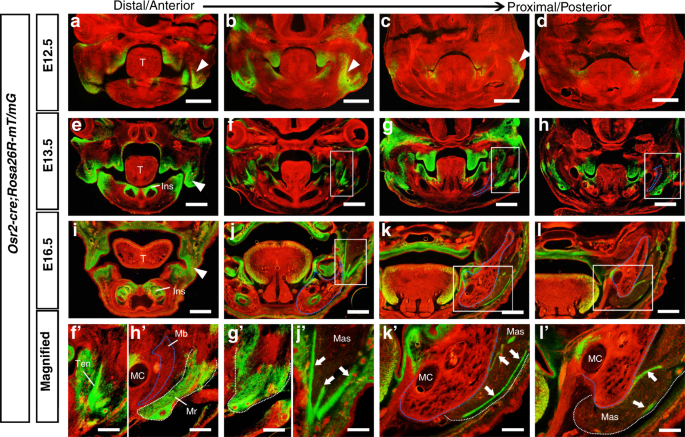
Disrupted tenogenesis in masseter as a potential cause of micrognathia

alexandrossfakianakis shared this article with you from Inoreader

41368_2022_196_Fig1_HTML.png

International Journal of Oral Science, Published online: 18 October 2022; doi:10.1038/s41368-022-00196-y

Disrupted tenogenesis in masseter as a potential cause of micrognathia
View on Web

Τρίτη 18 Οκτωβρίου 2022

Brief Report: Urine Tenofovir Levels Strongly Correlate with Virologic Suppression in Patients with HIV on Tenofovir Alafenamide-Based Antiretroviral Therapy

alexandrossfakianakis shared this article with you from Inoreader

cid_ogimage.png

Abstract
We found that urine tenofovir (TFV) levels >1500 ng/ml strongly predict virologic suppression among patients with HIV taking tenofovir alafenamide (TAF, OR 5.66; 95% CI 1.59-20.14; p = 0.007). This suggests an existing point-of-care assay developed for tenofovir disoproxil fumarate (TDF) will support adherence monitoring for patients on all TFV-based antiretrovirals.
View on Web

Tamoxifen Alters TGF‐β1/Smad Signaling in Vocal Fold Injury

alexandrossfakianakis shared this article with you from Inoreader
Tamoxifen Alters TGF-β1/Smad Signaling in Vocal Fold Injury

This study investigated the effects of tamoxifen on acute vocal fold injury in a preclinical model. The antifibrotic actions of tamoxifen appear to be mediated by transforming growth factor beta 1/Smad signaling providing a novel target for intervention.


Objectives

Effective treatments for vocal fold fibrosis remain elusive. Tamoxifen (TAM) is a selective estrogen receptor modulator and was recently reported to have antifibrotic actions. We hypothesized that TAM inhibits vocal fold fibrosis via altered transforming growth factor beta 1 (TGF-β1) signaling. Both in vitro and in vivo approaches were employed to address this hypothesis.

Methods

In vitro, vocal fold fibroblasts were treated with TAM (10−8 or 10−9 M) ± TGF-β1 (10 ng/ml) to quantify cell proliferation. The effects of TAM on genes related to fibrosis were quantified via quantitative real-time polymerase chain reaction. In vivo, rat vocal folds were unilaterally injured, and TAM was administered by oral gavage from pre-injury day 5 to post-injury day 7. The rats were randomized into two groups: 0 mg/kg/day (sham) and 50 mg/kg/day (TAM). Histological changes were examined on day 56 to assess tissue architecture.

Results

TAM (10−8 M) did not affect Smad3, Smad7, Acta2, or genes related to extracellular matrix metabolism. TAM (10−8 or 10−9 M) + TGF-β1, however, significantly increased Smad7 and Has3 expression and decreased Col1a1 and Acta2 expression compared to TGF-β1 alone. In vivo, TAM significantly increased lamina propria area, hyaluronic acid concentration, and reduced collagen deposition compared to sham treatment.

Conclusions

TAM has antifibrotic potential via the regulation of TGF-β1/Smad signaling in vocal fold injury. These findings provide foundational data to develop innovative therapeutic options for vocal fold fibrosis.

Level of Evidence

NA Laryngoscope, 2022

View on Web

Estimation of monkeypox spread in a non‐endemic country considering contact tracing and self‐reporting: a stochastic modeling study

alexandrossfakianakis shared this article with you from Inoreader

Abstract

In May 2022, monkeypox started to spread in non-endemic countries. To investigate contact tracing and self-reporting of the primary case in the local community, a stochastic model is developed. An algorithm based on Gillespie's stochastic chemical kinetics is used to quantify the number of infections, contacts, and duration from the arrival of the primary case to the detection of the index case (or until there are no more local infections). Different scenarios were set considering the delay in contact tracing and behavior of infectors. We found that the self-reporting behavior of a primary case is the most significant factor affecting outbreak size and duration. Scenarios with a self-reporting primary case have an 86% reduction in infections (average: 5 to 7, in a population of 10,000) and contacts (average: 27 to 72) compared to scenarios with a non-self-reporting primary case (average number of infections and contacts: 27 to 72 and 197 to 537, respectively ). Doubling the number of close contacts per day is less impactful compared to the self-reporting behavior of the primary case as it could only increase the number of infections by 45%. Our study emphasizes the importance of the prompt detection of the primary case.

This article is protected by copyright. All rights reserved.

View on Web

Effect of the Use of Reinforced Stapling on the Occurrence of Pancreatic Fistula After Distal Pancreatectomy: Results of the REPLAY (REinforcement of the Pancreas in distaL pAncreatectomY) Multicenter Randomized Clinical Trial

alexandrossfakianakis shared this article with you from Inoreader
imageObjective: The aim of the study was to evaluate the impact of the use of a reinforced stapler (RS) during distal pancreatectomy (DP) on postoperative outcomes. Background: DP remains associated with significant postoperative morbidity owing to pancreatic fistula (PF). To date, there is no consensus on the management of the pancreatic stump. The use of an RS potentially represents a simple way to decrease the rate of PF. Methods: The REPLAY study (NCT03030170) is a prospective, multicenter, randomized study. Patients who underwent DP were randomized (1:1 ratio) in 2 groups for the use of a standard stapler (SS) or an RS to close remnant pancreatic parenchyma. The primary endpoint was the rate of overall PF. Secondary endpoints included severity of PF, length of hospital stay, overall morbidity, and rate of readmission for a PF within 90 days. Participants were blinded to the procedure actually carried out. Results: A total of 199 were analyzed (SS, n=99; RS, n=100). One patient who did not undergo surgery was excluded. Baseline characteristics were comparable in both groups. The rate of overall PF was higher in RS group (SS: 67.7%, RS: 83%, P=0.0121), but the rate of clinically relevant PF was similar (SS: 11.1%, RS: 14%, P=0.5387). Mean length of total hospital stay, readmission for PF, postoperative morbidity, and mortality at 90 days were similar. Conclusion: The results of this randomized clinical trial did not favor the use of RS during DP to reduce the rate of PF.
View on Web