Αρχειοθήκη ιστολογίου

Αναζήτηση αυτού του ιστολογίου

Πέμπτη 26 Νοεμβρίου 2020

Routinely collected patient data in neurology research: a systematic mapping review

alkiviadis.1961 shared this article with you from Inoreader

Abstract

Background

This review focuses on neurology research which uses routinely collected data. The number of such studies is growing alongside the expansion of data collection. We aim to gain a broad picture of the scope of how routine healthcare data have been utilised.

Methods

This study follows a systematic mapping review approach which does not make a judgement on the quality of the papers included in the review, thereby enabling a complete overview of the field.

Results

Of 4481 publications retrieved, 386 met the eligibility criteria for this study. These publications covered a wide range of conditions, but the majority were based on one or only a small number of neurological conditions. In particular, publications concerned with three discrete areas of neurological practice - multiple sclerosis (MS), epilepsy/seizure and Parkinson's disease - accounted for 60% of the total. MS was the focus of the highest proportion of eligible studies (35%), yet in the recent Global Burden of Neurological Disease study it ranks only 14th out of 15 neurological disorders for DALY rates. In contrast, migraine is the neurological disorder with the highest ranking of DALYs globally (after stroke) and yet it was represented by only 4% of eligible studies.

Conclusion

This review shows that there is a disproportionately large body of literature pertaining to relatively rare disorders, and a correspondingly small body of literature describing more common conditions. Therefore, there is potential for future research to redress this balance.

View on the web

Vestibular rehabilitation in multiple sclerosis: study protocol for a randomised controlled trial and cost-effectiveness analysis comparing customised with booklet based vestibular rehabilitation for vestibulopathy and a 12 month observational cohort study of the symptom reduction and recurrence rate following treatment for benign paroxysmal positional vertigo

alkiviadis.1961 shared this article with you from Inoreader

Abstract

Background

Symptoms arising from vestibular system dysfunction are observed in 49–59% of people with Multiple Sclerosis (MS). Symptoms may include vertigo, dizziness and/or imbalance. These impact on functional ability, contribute to falls and significant health and social care costs. In people with MS, vestibular dysfunction can be due to peripheral pathology that may include Benign Paroxysmal Positional Vertigo (BPPV), as well as central or combined pathology. Vestibular symptoms may be treated with vestibular rehabilitation (VR), and with repositioning manoeuvres in the case of BPPV. However, there is a paucity of evidence about the rate and degree of symptom recovery with VR for people with MS and vestibulopathy. In addition, given the multiplicity of symptoms and underpinning vestibular pathologies often seen in people with MS, a customised VR approach may be more clinically appropriate and cost effective than generic booklet-based approaches. Likewise, BPPV shou ld be identified and treated appropriately.

Methods/ design

People with MS and symptoms of vertigo, dizziness and/or imbalance will be screened for central and/or peripheral vestibulopathy and/or BPPV. Following consent, people with BPPV will be treated with re-positioning manoeuvres over 1–3 sessions and followed up at 6 and 12 months to assess for any re-occurrence of BPPV. People with central and/or peripheral vestibulopathy will be entered into a randomised controlled trial (RCT). Trial participants will be randomly allocated (1:1) to either a 12-week generic booklet-based home programme with telephone support or a 12-week VR programme consisting of customised treatment including 12 face-to-face sessions and a home exercise programme. Customised or booklet-based interventions will start 2 weeks after randomisation and all trial participants will be followed up 14 and 26 weeks from randomisation. The primary clinical outcome is the Dizziness Handicap Inventory at 26 weeks and the primary economic endpoint is quality-adjusted life-years. A range of secondary outcomes associated with vestibular function will be used.

Discussion

If customised VR is demonstrated to be clinically and cost-effective compared to generic booklet-based VR this will inform practice guidelines and the development of training packages for therapists in the diagnosis and treatment of vestibulopathy in people with MS.

Trial registration

ISRCTN Number: 27374299

Date of Registration 24/09/2018

Protocol Version 15 25/09/2019

View on the web

A distinct neuromelanin magnetic resonance imaging pattern in parkinsonian multiple system atrophy

alkiviadis.1961 shared this article with you from Inoreader

Abstract

Background

Parkinsonian variant of multiple system atrophy is a neurodegenerative disorder frequently misdiagnosed as Parkinson's disease. No early imaging biomarkers currently differentiate these disorders.

Methods

Simple visual imaging analysis of the substantia nigra and locus coeruleus in neuromelanin-sensitive magnetic resonance imaging and nigrosome 1 in susceptibility-weighted sequences was performed in thirty patients with parkinsonian variant of multiple system atrophy fulfilling possible/probable second consensus diagnostic criteria. The neuromelanin visual pattern was compared to patients with Parkinson's disease with the same disease duration (n = 10) and healthy controls (n = 10). Substantia nigra semi-automated neuromelanin area/signal intensity was compared to the visual data.

Results

Groups were similar in age, sex, disease duration, and levodopa equivalent dose. Hoehn & Yahr stage was higher in parkinsonian multiple system atrophy patients, 69% of whom had normal neuromelanin size/signal, significantly different from Parkinson's disease patients, and similar to controls. Nigrosome 1 signal was lost in 74% of parkinsonian multiple system atrophy patients. Semi-automated neuromelanin substantia nigra signal, but not area, measurements were able to differentiate groups.

Conclusions

In patients with parkinsonism, simple visual magnetic resonance imaging analysis showing normal neuromelanin substantia nigra and locus coeruleus, combined with nigrosome 1 loss, allowed the distinction of the parkinsonian variant of multiple system atrophy from Parkinson's disease and healthy controls. This easy and widely available method was superior to semi-automated measurements in identifying specific imaging changes in substantia nigra and locus coeruleus.

View on the web

Τετάρτη 25 Νοεμβρίου 2020

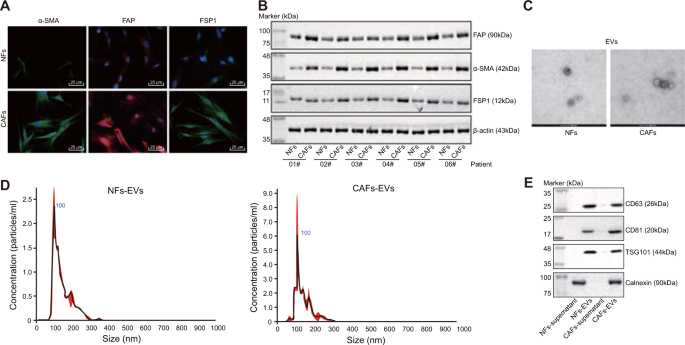
Extracellular vesicles-encapsulated microRNA-10a-5p shed from cancer-associated fibroblast facilitates cervical squamous cell carcinoma cell angiogenesis and tumorigenicity via Hedgehog signaling pathway

Cancer shared this article with you from Inoreader

41417_2020_238_Fig1_HTML.png

View on the web

A Multi-institutional Comparative Analysis of Proton and Photon Therapy-Induced Hematologic Toxicity in Patients With Medulloblastoma

Cancer shared this article with you from Inoreader

1-s2.0-S0360301620X00319-cov150h.gif

Publication date: Available online 23 November 2020

Source: International Journal of Radiation Oncology*Biology*Physics

Author(s): Kevin X. Liu, Myrsini Ioakeim-Ioannidou, Matthew S. Susko, Avani D. Rao, Beow Y. Yeap, Antoine M. Snijders, Matthew M. Ladra, Jennifer Vogel, Cierra Zaslowe-Dude, Karen J. Marcus, Torunn I. Yock, Clemens Grassberger, Steve E. Braunstein, Daphne A. Haas-Kogan, Stephanie A. Terezakis, Shannon M. MacDonald

View on the web

Feasibility and safety of exercise training and nutritional support prior to haematopoietic stem cell transplantation in patients with haematologic malignancies

Cancer shared this article with you from Inoreader

12885.jpg

Abstract

Background

Prehabilitation with regular exercise and nutritional care for patients undergoing surgeries for malignant disease was recently introduced to increase physiologic reserve prior to the procedure, accelerate recovery and improve outcomes. This study aimed to investigate the feasibility and safety of combined exercise training and nutritional support in patients with haematologic malignancies prior to haematopoietic stem cell transplantation (HSCT).

Methods

In this single-arm pilot study, 34 HSCT candidates were enrolled at least two weeks before admission for the procedure. Patients performed aerobic exercises at least 4 days per week for 20–30 min and strength exercises 3 days per week for 10–20 min. They received daily supplements of whey protein (0.3–0.4 g/kg body weight) and oral nutritional supplements if needed. The primary endpoints were feasibility (acceptability > 75%, attrition < 20%, adherence > 66%) and safety. The secondary endpoints were fat-free mass (FFM), muscle strength, physical performance and health-related quality of life (HRQoL) at HSCT.

Results

The rate of acceptability, attrition and adherence to aerobic exercise, strength exercise and protein supplement consumption was 82.4, 17.8, 71, 78 and 80%, respectively. No severe adverse events were reported. Twenty-eight patients participated in the study for a median of 6.0 weeks (range, 2–14). They performed aerobic exercises 4.5 days per week for 132 min per week and strength exercises 3.0 times per week. Patients consumed 20.7 g of extra protein daily. At the end of the programme, we recorded increases of 1.1 kg in FFM (p = 0.011), 50 m in walking distance in the 6-min walking test (6MWT) (p < 0.001), 3.3 repetitions in the 30-s chair-stand test (30sCST) score (p < 0.001) and 2.6 kg in handgrip strength (p = 0.006). The EORTC QLQ-C30 scores improved by 8.6 (p < 0.006) for global health status, 8.3 (p = 0.009) for emotional functioning, and 12.1 (p =  0.014) for social functioning. There was less fatigue, nausea and insomnia (p < 0.05).

Conclusions

Our study shows that a multimodal intervention programme with partially supervised exercise training combined with nutritional support prior to HSCT is feasible and safe. Patients showed improvements in FFM, physical performance and HRQoL. Additional research is needed to assess the possible positive effects of such interventions.


View on the web

Eradication of T-ALL cells by CD7 targeted universal CAR-T cells and initial test of ruxolitinib-based CRS management

Cancer shared this article with you from Inoreader

Purpose:Although chimeric antigen receptor T cell (CAR-T) therapy development for B cell malignancies has made significant progress in the last decade, broadening the success to treating T-ALL has been limited. We conducted two clinical trials to verify the safety and efficacy of GC027, an "off-the-shelf" allogeneic CAR-T product targeting T cell antigen CD7. Here we report two patients as case reports with relapsed/refractory T-ALL who were treated with GC027. Experimental Design:Both of the two trials reported are open-labeled and single-arm. A single infusion of GC027 was given to each patient after preconditioning therapy. Result:Robust expansion of CAR-T cells along with rapid eradication of CD7+ T-lymphoblasts were observed in the peripheral blood, bone marrow and cerebrospinal fluid. Both patients achieved complete remission (CR) with no minimal residual disease (MRD) detectable. At data cut off Sep.30, 2020 one of the two patients remains in ongoing remission for over one year after CAR-T cell infusion. Grade 3 cytokine release syndrome (CRS) occurred in both patients and was managed by a novel approach with a ruxolitinib-based CRS management. Ruxolitinib showed promising activity in a preclinical study conducted at our center. No Graft-versus-host-disease (GvHD) was observed. Conclusion:The two case reports demonstrate that a stand alone therapy with this novel CD7 targeted "off-the-shelf" allogeneic CAR-T therapy may provide deep and durable responses in select r/r T-ALL patients. GC027- might have a potential to be a promising new approach for treating refractory/relapsed T - ALL. Further studies are warranted.

View on the web